
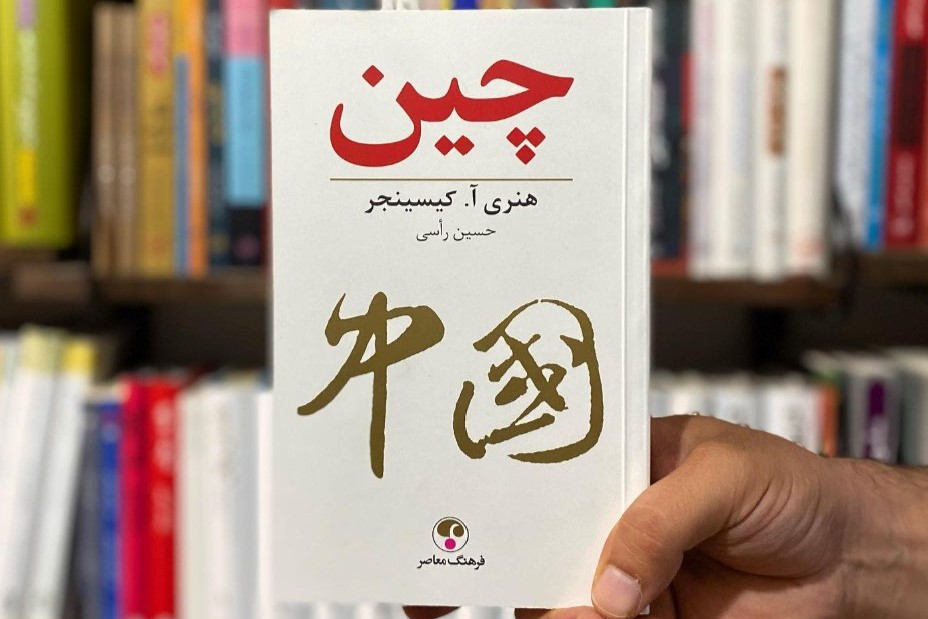
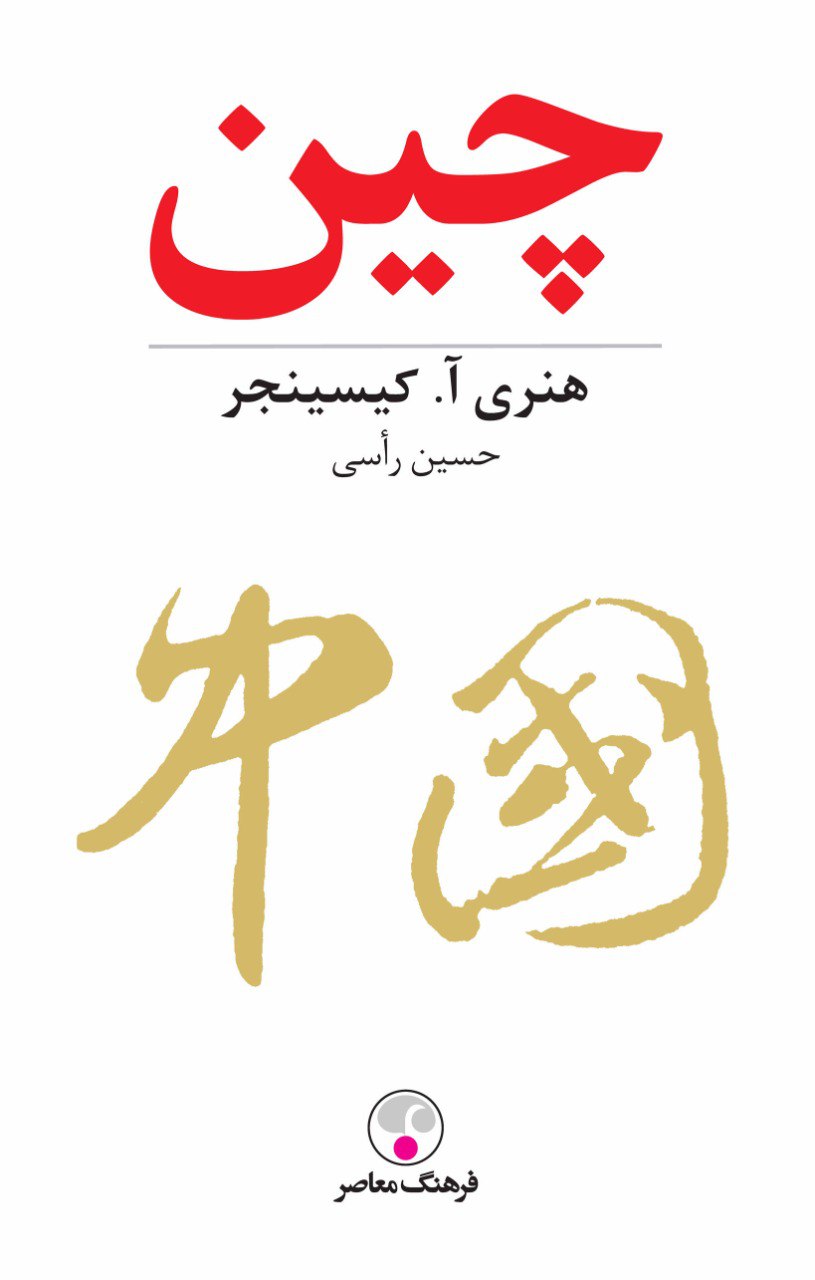
Henry Kissinger’s “On China” is not just a dry historiography, but a veteran diplomat’s analysis of the cultural, historical, and strategic roots of China’s behavior on the world stage. Kissinger, himself the architect of the “de-escalation” policy with China during the Nixon presidency, uses a combination of personal memoirs and geopolitical analysis to examine the “Chinese spirit” in foreign policy. The book’s central idea is that to understand modern China, one must understand its millennia-old history, strategic culture, and national psychology.
Part One: Historical and Cultural Heritage – The Concept of “Central Supremacy” and Chess Strategy
In the first part, Kissinger introduces classical China and begins his discussion with the concept of the “central idea.” China always considered itself the center of world civilization and called others “barbarians.” A country surrounded by “savage” tribes or vassal states, and the threat of invaders was ever present. This situation led China to develop a complex strategic thought that emphasized “maintaining the status quo,” “preventing external influence,” and “managing borders and alliances.” This grandiosity was not only a cultural conceit, but also the basis of a diplomatic worldview. Accordingly, instead of expanding its territory (like the Roman or British empires), China sought to absorb and “civilize” its neighbors, and its diplomatic approach was based on “not declaring outright war unless necessary” and “negotiating from a position of strength and security.”
Part Two: The Century of Humiliation and the Rise of Communism
Kissinger argues that the “century of humiliation” from the mid-19th to the mid-20th century was a turning point in shaping the Chinese national psyche. The Opium Wars and unequal treaties, the decline of the Qing Dynasty, the rise of Japan, and new threats marked a turning point in Chinese history, demonstrating China’s inability to resist foreign powers. Kissinger then draws on his personal experiences of over fifty visits to China over nearly forty years to describe the various stages of China’s transformation: from the founding of the People’s Republic of China in 1949, to the confrontation with the Soviet Union, and then to the opening up to the outside world. This opening up wounded the Chinese national spirit and instilled a powerful ideal in the minds of its leaders: “to restore China’s former glory.” The rise of the Communist Party under Mao Zedong was a response to this humiliation. Kissinger analyzes the complex relationship between Mao Zedong and the superpowers. Although Mao Zedong adhered to communist ideology, he always prioritized China’s national interests. Despite his apparent hostility towards the United States, he skillfully exploited the rift between the US and the Soviet Union, positioning China as an independent pole in the bipolar world order.
Part Three: Trilateral Diplomacy and Kissinger’s Role (Rebuilding Relations with the United States)
This part is the heart of the book, based on Kissinger’s personal recollections. He meticulously recounts his secret visit to Beijing in 1971 and his meeting with Premier Zhou Enlai. Kissinger considers Zhou Enlai an outstanding diplomat, elegant in demeanor and adept at the Chinese art of negotiation. The main purpose and reason for these negotiations was to reopen US-China relations after two decades of hostility and shared fear of the Soviet Union. Kissinger summarizes the nature of these negotiations in three aspects: 1. The negotiations were based on “national interests” and “geopolitical considerations,” rather than friendship or ideological common ground. 2. How to resolve the sensitive issue of “Taiwan” within the context of the US’s emphasis on the “One China” policy. 3. The Chinese style of negotiation was based on “patience, symbolism, and avoidance of direct confrontation.” The ultimate result of these strategic negotiations led to Nixon’s historic visit to China in 1972 and the issuance of the Shanghai Declaration, laying the foundation for a new relationship between the two countries and forever altering the global balance of power.
Part Four: China After Mao: Economic Growth and a New Global Status
Kissinger then dedicates a major chapter to the Deng Xiaoping era and its famous “reform and opening-up” slogan, which effectively guided China from a closed state to economic reform and opening up. He argues that this transformation was part of China’s long-term strategy, not merely a temporary response to external pressure. He also emphasizes how Chinese leaders, without abandoning the Party’s ideals, connected the national economy with the world economy, creating the Chinese economic miracle. The book also explores the challenges China currently faces: its complex relationship with the United States (both a strategic partner and competitor), the Taiwan issue, the human rights crisis, and its increasingly important role in international institutions. Kissinger warns that Western misunderstandings of China’s motivations—rooted in its long history and culture—could lead to disastrous conflict. Conceptually, Kissinger emphasizes three key elements of Chinese diplomacy: 1- Chinese history and culture (particularly concepts such as “borders” and “center,” and the distinction between self and “other”), 2- the strategic rationality the Chinese have acquired over millennia, and 3- the interaction between Chinese tradition and modern global realities.
Conclusion: Implications for the Future
Kissinger concludes by pointing out that US-China relations will not necessarily end in “inevitable conflict.” He believes both countries should act “wisely.” The US must acknowledge China as a major power with legitimate interests, and China must understand that global leadership means assuming greater responsibility in the international order. In summary, Kissinger offers several key messages. First, China cannot be analyzed solely using Western or post-industrial standards; its historical and cultural roots must be considered. Furthermore, engagement with China must be based on understanding its logic: the Chinese are more concerned with long-term strategy, stability, and multipolarity than with quick victories.
The commentary section contains both positive and negative reviews. Positive reviews consider Kissinger’s book “remarkable,” noting his comprehensive yet personal engagement with the debate. On the other hand, some commentators point out that the book is overly lenient towards China and its leaders in certain aspects, downplaying China’s internal realities and human rights issues. Therefore, this book is suitable for those seeking a more comprehensive understanding of China and its relationship with the US, as well as readers interested in the history of diplomacy and foreign policy theory. Of course, the reviews also pointed out some shortcomings of the book; for example, some critics believe that Kissinger’s analysis may rely too much on his personal and diplomatic experience.